In the race to build more capable AI agents, developers are rediscovering a foundational concept: the file system. This simple abstraction is emerging as a powerful solution for agent context management, memory, and LLM tool integration. At the forefront of this renaissance is Huang Dongxu, creator of the AGFS project, who champions the idea that a file system for AI is the key to unlocking the next generation of intelligent systems.
Dongxu's philosophy, encapsulated in his project AGFS (Aggregated File System), pushes the idea to its logical extreme: "Everything is a file system." This principle suggests any service, from a database to a weather API, can be represented as a simple file interface. But why is this concept critical for modern AI agent architecture? And how can it solve the growing complexity of multi-agent collaboration?
In this deep dive, we'll explore:
- The File System Renaissance: Why this old-school concept is making a comeback for AI agents.
- Context and Memory: The relationship between agent context and a new kind of file system.
- AGFS in Action: How the "everything is a file" philosophy works for AI.
- The Tipping Point: Market signals driving the trend for file systems in AI.
- Composable Future: The future of agent architecture and vector databases.
Why File Systems are the Future of AI Agent Architecture
The Renaissance of File Systems in AI
If you're building AI agents, you've likely noticed a surprising trend. A concept we thought we’d mastered decades ago—the file system—is making a major comeback as a core architectural choice for modern AI systems.
We're seeing it everywhere. Manus published a compelling piece on "Using File System as a Context." The team behind Claude Code revealed that a simple file system and bash setup outperformed more complex embedding and indexing strategies. Even Anthropic's new Skill system uses a familiar folder structure to organize its capabilities.
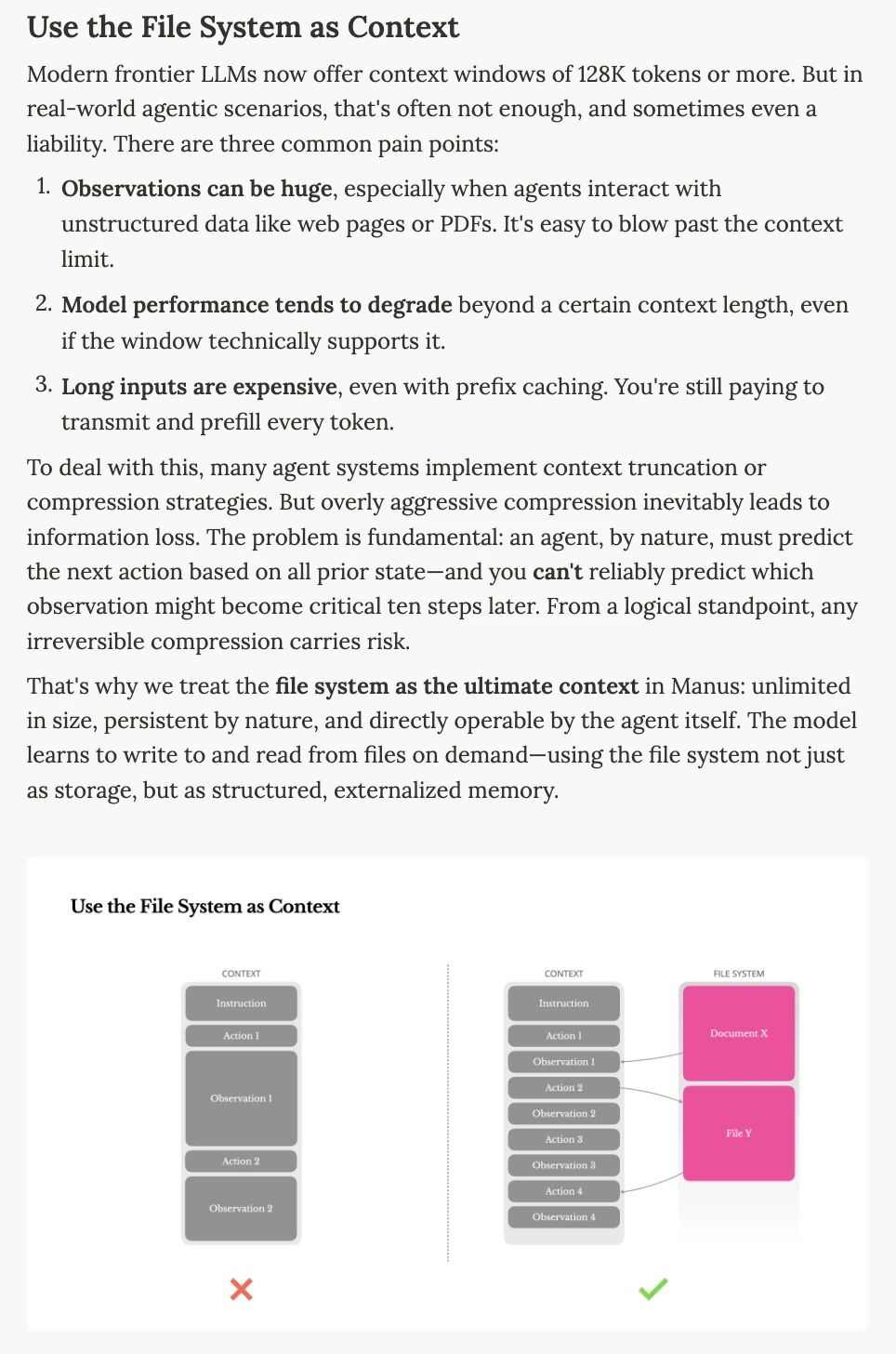
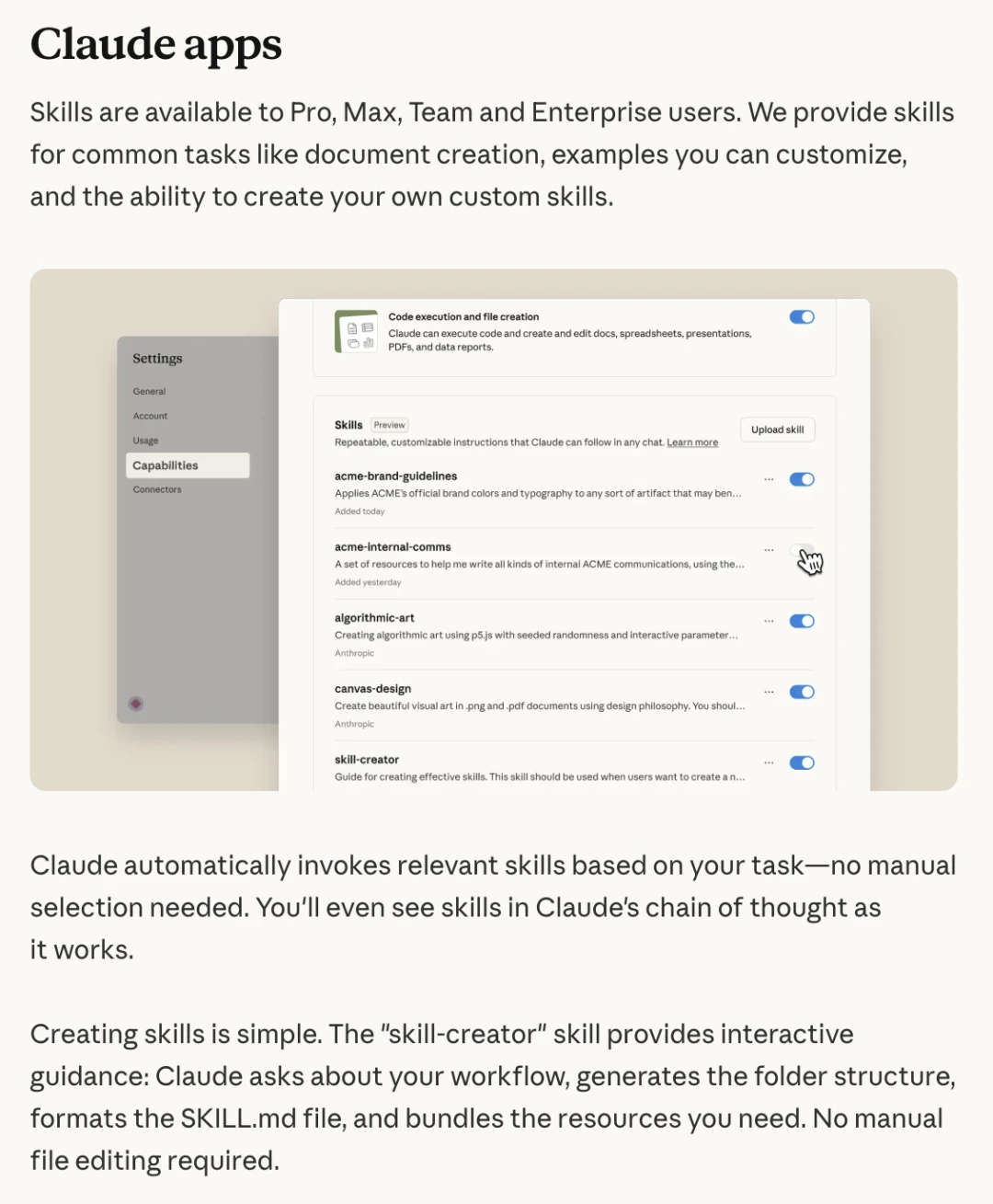
These aren't isolated incidents; they all point to the same conclusion: the file system offers unique and powerful advantages for AI Agent architecture.
But according to Dongxu, the creator of the AGFS project, we shouldn't stop at just thinking about files. "Most abstractions today are made at the file level, like writing an agent's capabilities into a text file," he explains. "But the file system itself can be the abstraction. A file system doesn't have to contain actual files."
In the world of AGFS (Aggregated File System), a message queue can be a file system. A database can be a file system. A weather API or even a coffee order can be a file system. Where did this radical idea come from?
The Unix Philosophy: Applying 'Everything is a File' to AI
This vision is rooted in a core tenet of the Unix design philosophy: "Everything is a file." In Unix-like systems, devices, processes, and network sockets are all presented through the same file interface, allowing them to be manipulated with a universal set of tools.
This concept was pushed to its elegant conclusion in the Plan 9 operating system from Bell Labs.
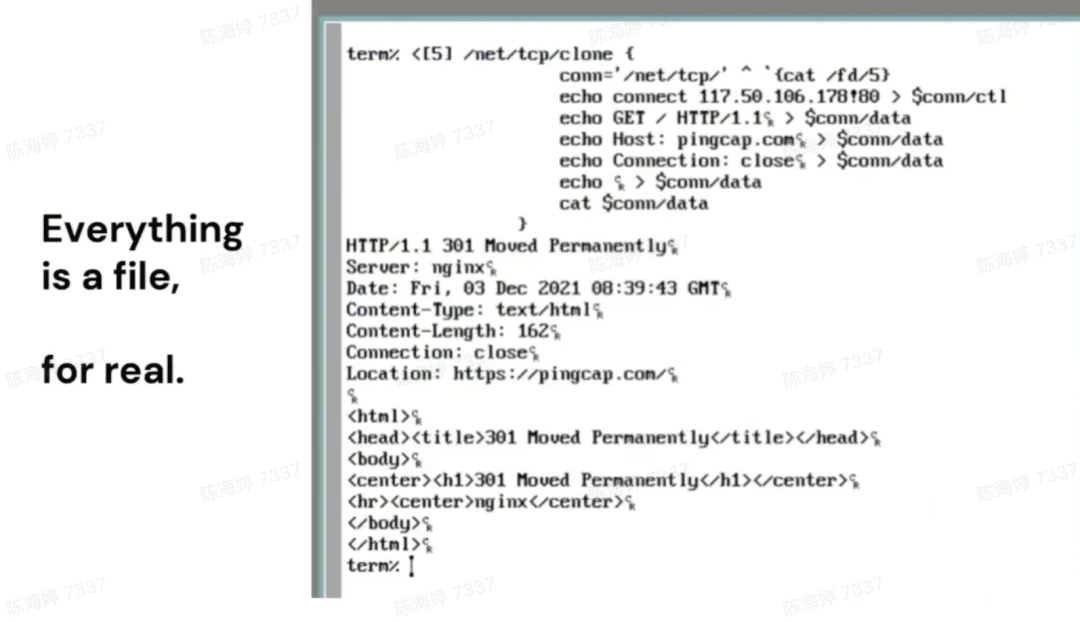
Back in the 1990s, Plan 9 explored a radical architecture where compute nodes, storage, and services were all abstracted as file systems, woven together into a single, cohesive distributed operating system. For example, to browse the web in Plan 9, you would write the HTTP protocol to one file and read the resulting webpage content from another. It was the ultimate expression of the file system as a universal interface.
AGFS extends this philosophy into the modern, distributed world of AI. The idea is simple but profound: a Unix-style pipeline combined with a universal file system interface offers maximum composability with minimum effort. If any tool, API, or service can be exposed as a file system, it can be instantly integrated and controlled using standard shell commands, simplifying LLM tool integration.
As Dongxu wrote in the AGFS README: "'Everything is a file'. A tribute to Plan9, but in RESTful APIs."
Orchestrating Multi-Agent Collaboration with a File System
Most contemporary AI agents operate as single, linear scripts: they receive a command, execute a task, and await the next instruction. This model is effective for simple problems but fails to address the complex challenges that require parallel processing and multi-agent collaboration.
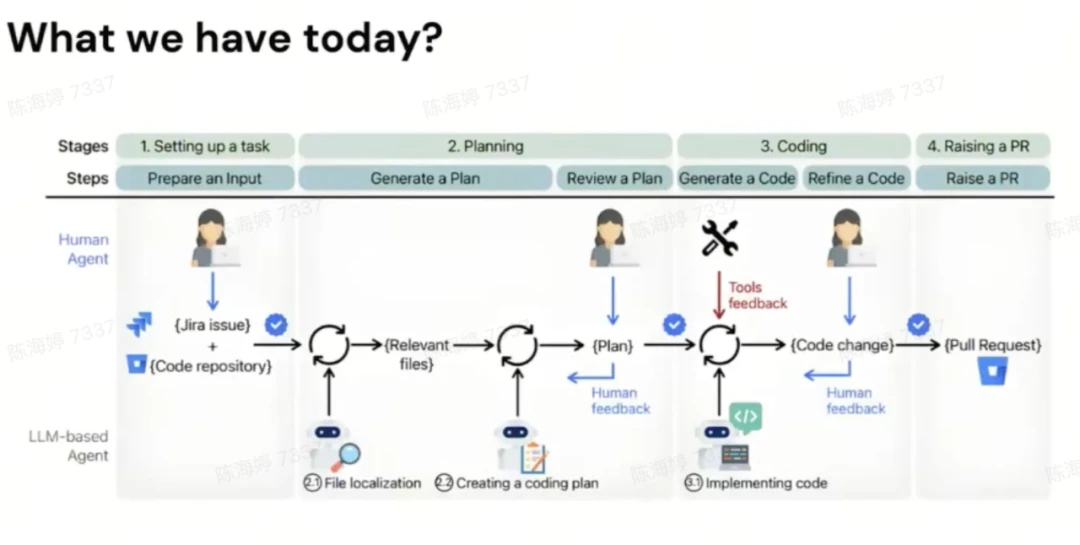
The real world is messy. Truly difficult problems can't be solved by a single, sequential chain of actions. They require teamwork and parallel execution, much like a software project with developers, testers, and designers working in concert. Dongxu is convinced that for AI to tackle these grander challenges, the future is in orchestrating agent swarms.
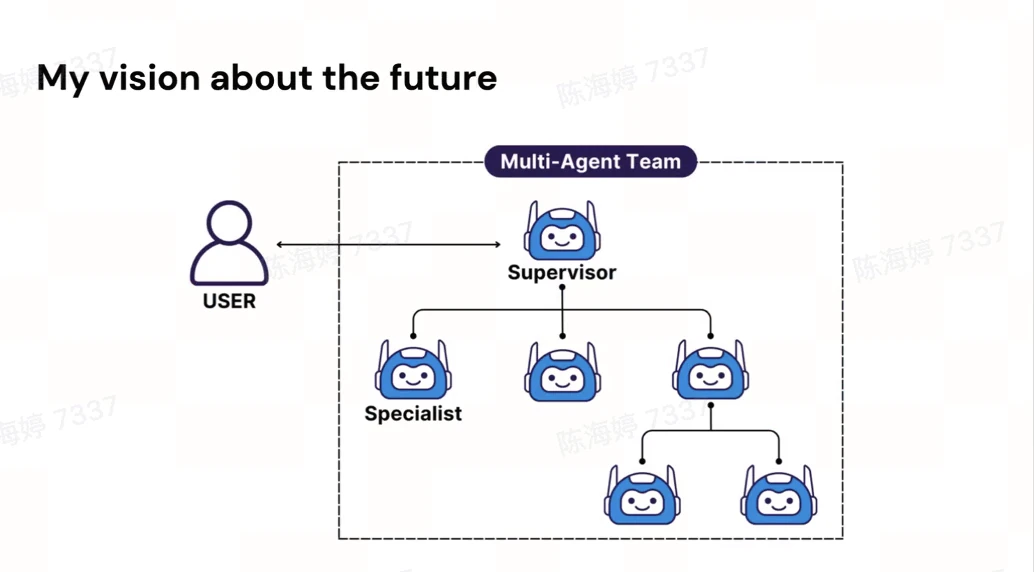
This raises a critical question: what kind of infrastructure can effectively manage these multi-agent systems?
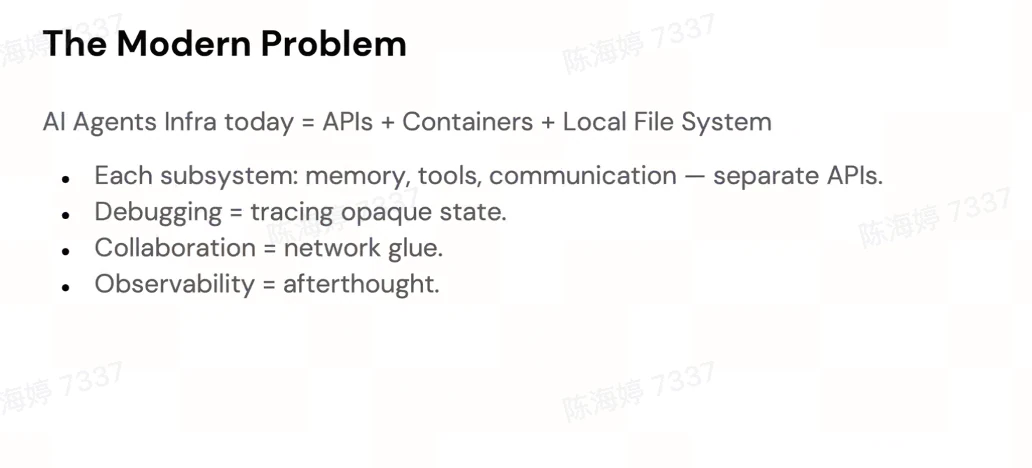
Dongxu points out the flaws in today's typical AI Agent stack, which he describes as a patchwork of "APIs + Containers + Local File Systems." Each component—memory, tools, communication—is a siloed API, making debugging a nightmare. Collaboration is clumsily stitched together at the network layer, and observability is often an afterthought.
Coming from a database background, Dongxu often gets asked, "Why not just use a database as the foundation?"
His answer is insightful. Databases are fantastic for structured data but are notoriously bad at handling control flow. Writing if-else logic or for loops in SQL is cumbersome, and calling external tools from within a database is nearly impossible.
An AI agent needs the best of both worlds: powerful programming capabilities and seamless data access. This is where traditional file systems also fall short, as they are designed for unstructured data and lack native message passing for inter-agent communication.
Dongxu's solution is to create specialized file system types for different scenarios and unite them under a single, cohesive platform. This is the core value of a Context File System: it serves as both the container for an agent's context and the organizational framework for its memory, making management elegantly simple.
AGFS: The Aggregated File System for AI Agents
This philosophy is the bedrock of Dongxu's open-source project, AGFS (Aggregated File System). It’s his modern tribute to the pioneering spirit of Plan 9, designed as an operating system for AI.
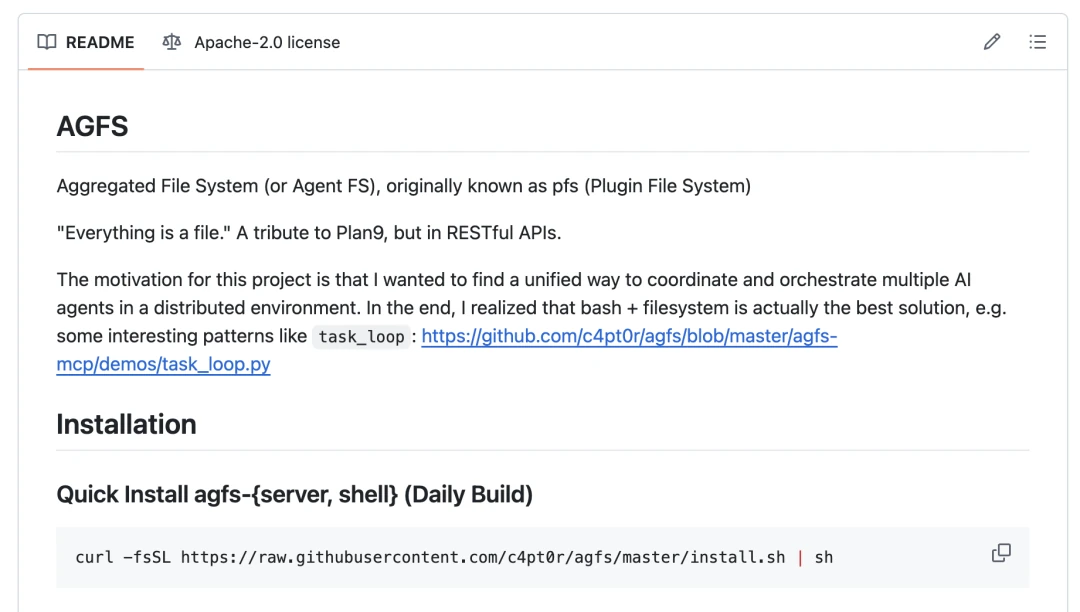
The core concept is to wrap diverse services—remote APIs, cloud storage, databases, and even sandboxed technologies like WebAssembly—in a unified file system interface. This allows a Large Language Model (LLM) to interact with a vast array of tools using the simple, universal language it already understands: file operations and shell commands.
Dongxu presented a strikingly concise Minimal Agent Framework:
cat context.txt | llm > output.txt && exec action.sh
This is simple, debuggable, and incredibly powerful. An LLM understands this instantly. This isn't just theoretical; Claude Code is a real-world testament to this approach, proving a file system and bash can be stunningly effective.
AGFS already supports a variety of sub-file systems out of the box:
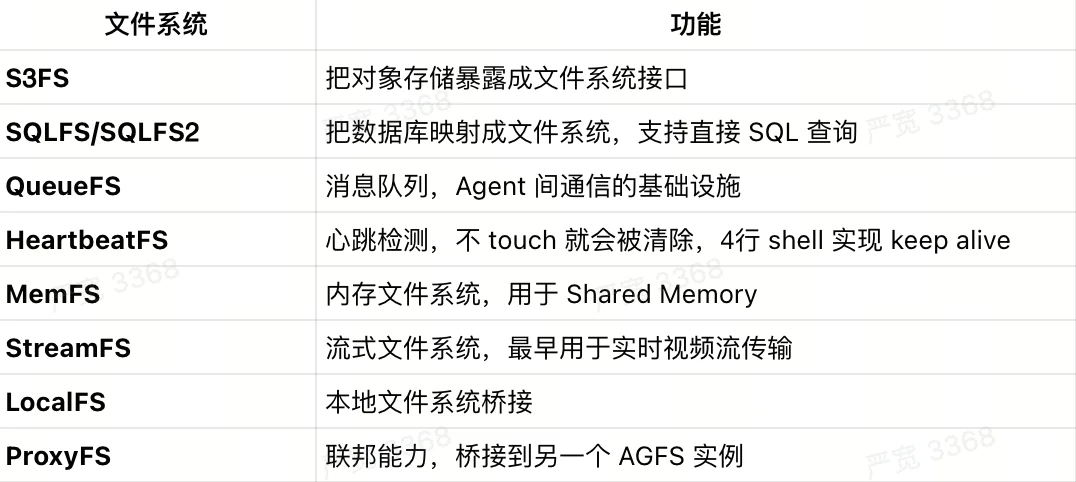
With AGFS, you can implement sophisticated multi-agent collaboration features like Manus's "Wide Research" with just a few lines of shell script:
- Spin up 10 Claude Code agents to act as workers.
- Fetch the top 10 article URLs from Hacker News.
- Use
QueueFSto distribute these URLs as tasks to each agent's "mailbox." - As each agent finishes, it writes its summary to a designated folder in
S3FS. - A master script aggregates the results once all files appear.
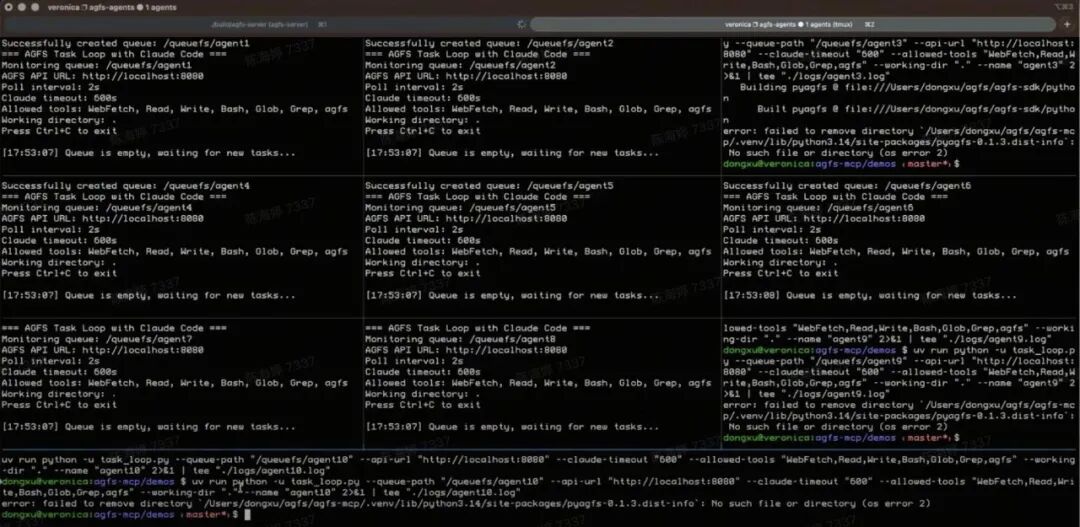
The magic here is that this system is inherently distributed. The agents and the QueueFS can be running anywhere, coordinated seamlessly through the file system for AI abstraction. And because it's a file system, you get powerful tools like grep for free, which would otherwise require a new application layer.
Why Now? The Tipping Point for File Systems in AI
Why this sudden resurgence? The evidence suggests we've hit an inflection point for using a file system for AI. The success of Claude Code proves a simple file system + bash approach can outmaneuver complex solutions. Meanwhile, the growing demand for multi-agent collaboration requires a robust, distributed coordination fabric.
We are drowning in a sea of new services and frameworks. From an AI's perspective, it's an overwhelming arsenal of disparate tools. A file system for AI offers a unified interface for everything.
Past attempts at standardization were little more than function-calling protocols, never designed for the complex dance of multi-agent coordination. Dongxu's vision starts with the need to coordinate thousands of agents at scale, requiring a distributed-native architecture from day one. Modern infrastructure like object storage (S3) provides a perfect foundation.
"We should give agents a Meta Tool, not just a collection of specific tools," Dongxu argues. Instead of hard-coding functions, give the agent a file system, bash, and a command line, and let it compose the desired workflow itself. LLMs are exceptionally good at writing shell scripts, and by providing a richer world through a file system interface, we empower them to accomplish vastly more complex tasks.
Building Composable AI Agents with AGFS
Atomic Capabilities and Pluggable File Systems
The real power of AGFS lies in its composability. It provides a set of atomic capabilities that developers can combine to build complex functionalities for AI agents.
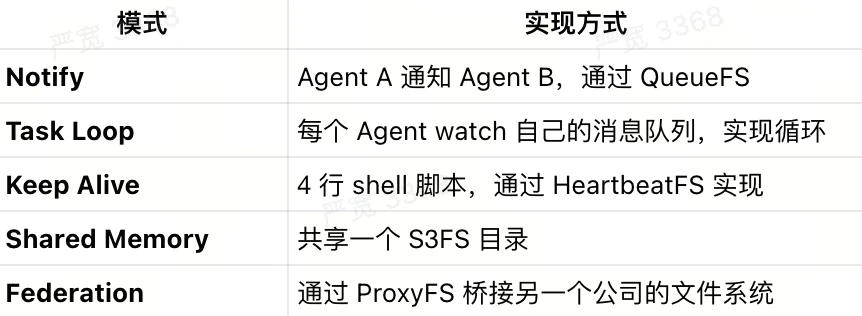
One of AGFS's most exciting features is pluggable file systems. Need a new capability? Just write a file system for it in Rust, C, or any language that compiles to WebAssembly, which can then be dynamically mounted.
Integrating Vector Databases as a File System
AGFS isn't meant to replace vector databases but to unify them under the same file system interface. Imagine mounting a VectorFS. The ideal interaction would look like this:
cat /vectorfs/user_a.txt | grep "search keyword"
The user (or AI) uses the familiar grep command, but under the hood, VectorFS triggers a semantic search query in the underlying vector database. This same principle can be applied to anything, like a NotionFS that exposes a Notion database as a folder of text files. For more on how context management works in AI systems, see our guide on RAG architecture.
A Practical Example: The 'Coffee File System'
To illustrate how far this concept can go, consider the "Coffee File System":
echo "buy me a coffee" > /coffeefs/order
Writing to this "file" could trigger an API call to place a coffee order. For more complex logic, the agent could compose a simple script:
weather=$(cat /weatherfs/tomorrow)
if [ "$weather" = "sunny" ]; then
   echo "latte" > /coffeefs/order
fi
The only work left is to implement the WeatherFileSystem and CoffeeFileSystem plugins.
"If people just open their minds a bit more," Dongxu concludes, "anything and everything can be a file system. I mean everything."
A Universal Interface for the Next Generation of AI
The resurgence of the file system is a pragmatic response to the escalating complexity of AI systems. As we move from single-purpose agents to collaborative swarms, the need for a universal, composable, and observable interface becomes paramount. The 'Everything is a file' philosophy, inherited from Unix and Plan 9, provides a robust and elegant solution.
Projects like AGFS demonstrate that by abstracting diverse services into a familiar file system structure, we can empower LLMs to orchestrate complex workflows using simple shell commands. This AI agent architecture not only simplifies development but also paves the way for a future where AI agents can dynamically compose their own tools. The humble file system may be the ultimate meta-tool for building the next generation of artificial intelligence.
Key Takeaways
• File systems are crucial for enhancing AI agent context management and memory.
• AGFS promotes the concept that "everything is a file system" for AI development.
• Emphasize multi-agent collaboration through innovative file system architectures.